Invisible Shields: The Science of Connectivity and Ingress Protection

In the realm of personal technology, the most critical features are often the ones the user never sees. We notice the screen and the speakers, but the reliability of a device depends on invisible forces: magnetic fields, microscopic coatings, and signal processing algorithms. These “invisible shields” protect the device from the elements and ensure seamless interaction, distinguishing modern engineering from the clunky electronics of the past.
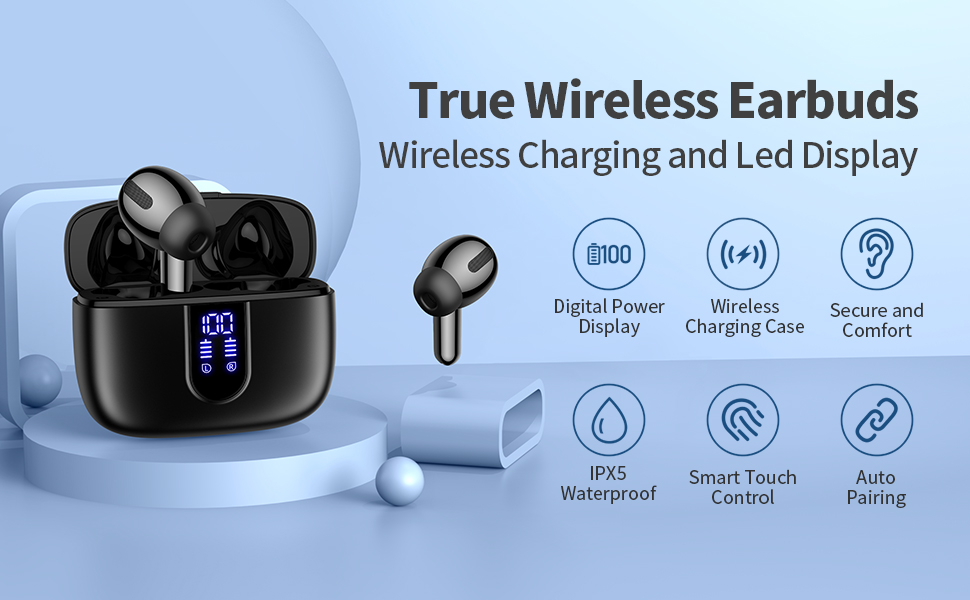
The TAGRY X08 exemplifies this reliance on invisible engineering. Its operation hinges on three distinct technologies that work in the background: the Hall Effect for connectivity, hydrophobic nano-structures for durability, and Clear Voice Capture (CVC) for communication.
The Hall Effect: Connectivity via Magnetism
Remember the days of holding down a power button for five seconds, waiting for a light to flash, and hoping your headphones would pair? Those days are largely behind us, thanks to a discovery made by Edwin Hall in 1879.
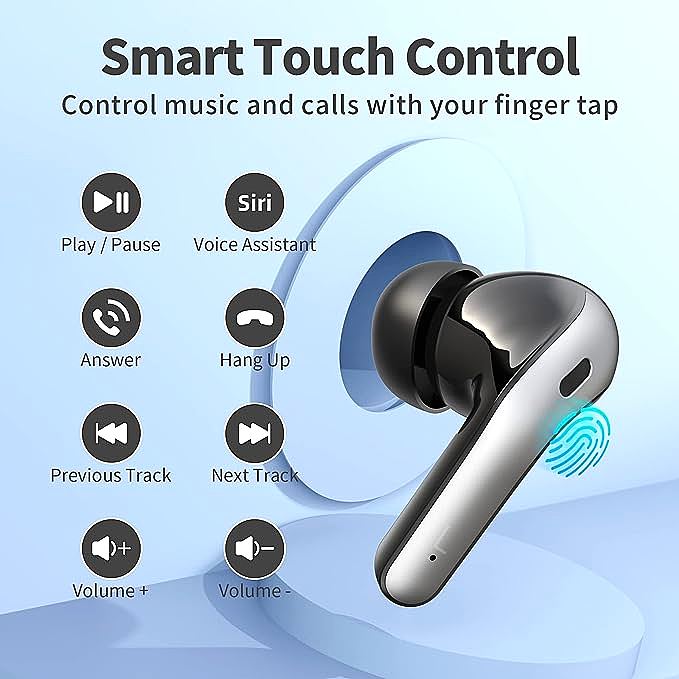
The “One-Step Pairing” found in modern earbuds utilizes a Hall Effect sensor embedded in the charging case. This sensor detects the presence and strength of a magnetic field. When the case lid—which contains a small magnet—is opened, the magnetic field changes. The sensor detects this fluctuation and instantly triggers the earbuds to wake up and initiate the Bluetooth handshake protocol before you even take them out of the case.
By the time the device reaches your ear, the connection is already established. This application of electromagnetism transforms a mechanical friction point into a fluid, magical interaction, removing the barrier between the user and their audio.
Hydrophobicity: The Microscopic Umbrella
Electronics generally have two mortal enemies: water and salt. For wearable devices used during exercise, sweat presents a corrosive threat that can short-circuit delicate components. The defense against this is Ingress Protection (IP).
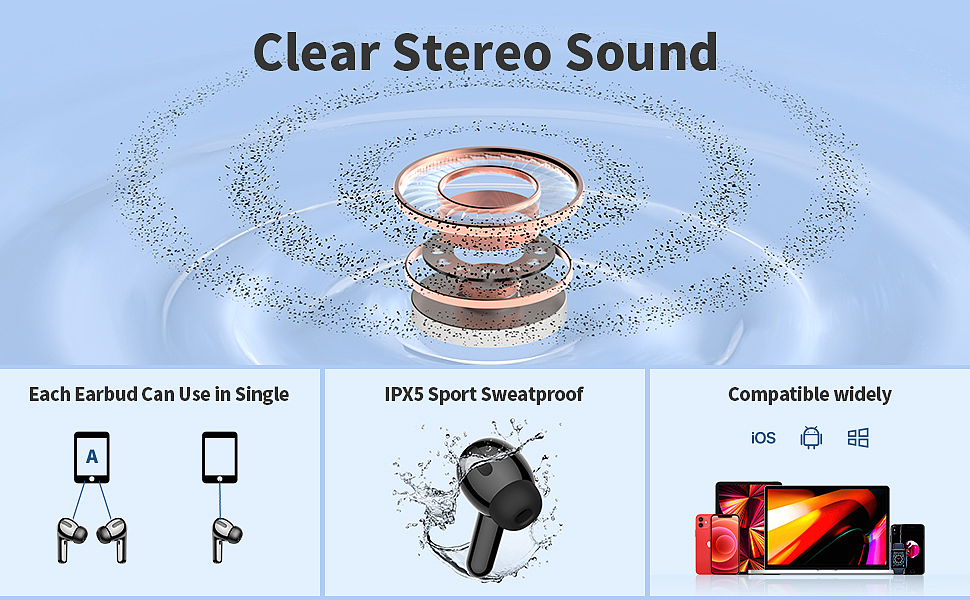
An IPX5 rating, like that of the X08, specifically denotes protection against low-pressure water jets from any angle. Achieving this requires more than just tight seals; it often involves the application of hydrophobic nano-coatings. These are microscopic layers applied to the internal circuitry and external mesh.
At a molecular level, these coatings lower the “surface energy” of the device’s components. When a water droplet hits a surface with low energy, it cannot spread out and “wet” the surface. Instead, it beads up and rolls off, carrying dirt and contaminants with it. This “Lotus Effect” ensures that even if moisture penetrates the outer shell, it cannot bridge the conductive pathways that cause electrical failure.
CVC: The Diplomat of Frequencies
While Active Noise Cancellation (ANC) gets the headlines for silencing the world for the user, a different technology is required to silence the world for the person you are calling. This is Clear Voice Capture (CVC).
CVC is an “uplink” noise reduction technology. It uses the microphone’s input to analyze the auditory environment. Algorithms identify the rhythmic, predictable patterns of background noise—the hum of an air conditioner, wind noise, or distant traffic. It then creates a digital filter that suppresses these frequencies while preserving the irregular, dynamic frequencies of human speech.
Unlike ANC, which pumps anti-noise into your ear, CVC cleans the signal leaving your device. It acts as a digital diplomat, ensuring that your message is conveyed clearly, regardless of the chaos surrounding you.
The Compact Logistics of Power
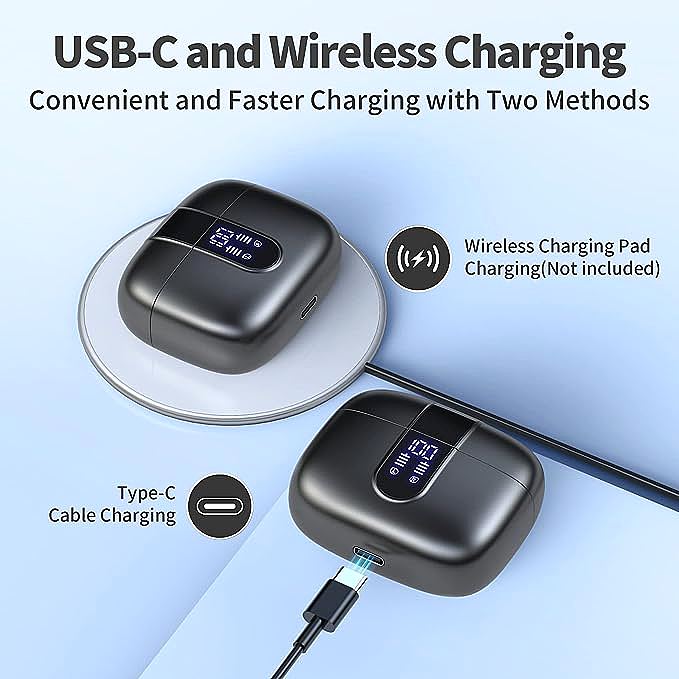
Finally, the form factor itself plays a role in this ecosystem. The charging case is not just a battery; it is a logistical hub. By utilizing high-density Lithium-Polymer chemistry, engineers can pack significant capacity (470mAh) into a palm-sized footprint. This density allows for the decentralized power model—small batteries in the buds for weight reduction, large battery in the case for endurance—that defines the TWS (True Wireless Stereo) category.