The Aluminum Cycle: Material Science, Oxidation, and the Paradox of the Pod

The single-serve coffee revolution was built on a promise of freshness. But freshness is a battle against chemistry. Coffee is a volatile substance; its aromatic compounds (aldehydes, pyrazines) degrade rapidly when exposed to oxygen, light, and moisture. To win this battle, Nespresso chose a material that would define its brand and its environmental footprint: Aluminum.
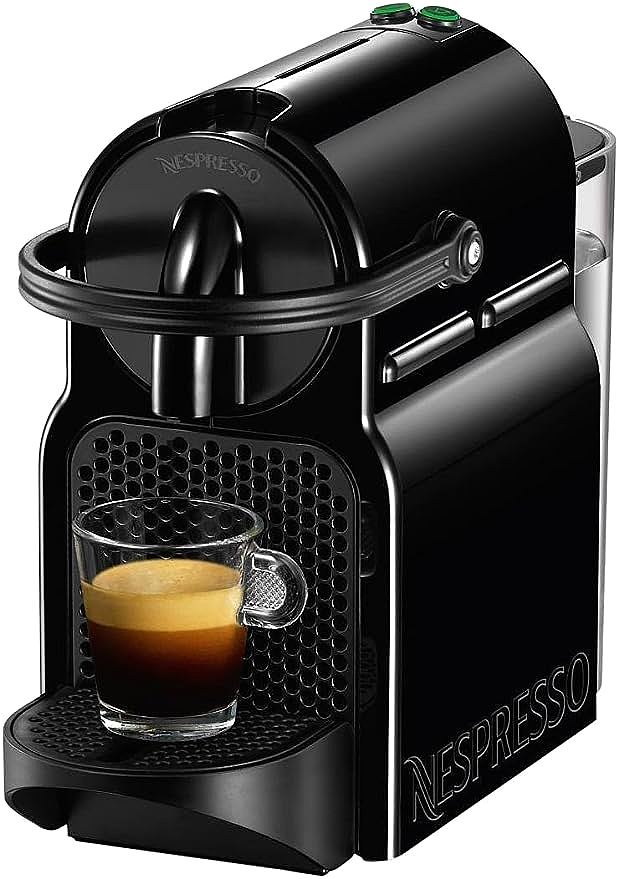
The Nespresso Inissia is designed to work exclusively with these aluminum capsules. This article shifts focus from the machine to the material. We will explore the physics of Barrier Properties, the chemistry of Oxidation, and the complex metallurgy of Recycling that attempts to solve the waste problem created by convenient consumption.

The Physics of Freshness: The Oxygen Barrier
Why Aluminum? Why not cheaper plastic? The answer is Permeability.
* Plastic: Even food-grade plastics are microscopically porous to gases over long periods. Oxygen can slowly migrate in, and CO2 (which carries aroma) can migrate out.
* Aluminum: Metal is an absolute barrier. An aluminum foil layer of sufficient thickness has a transmission rate of virtually zero for O2, H2O, and UV light.
The Inert Environment
Nespresso capsules are nitrogen-flushed and hermetically sealed. Inside the aluminum shell, the coffee grounds exist in a suspended state of freshness. The Inissia’s piercing mechanism breaks this seal only at the moment of brewing.
However, aluminum interacts with food acids. To prevent the coffee from acquiring a metallic taste or corroding the pod from the inside, Nespresso coats the interior with a food-grade lacquer. This multi-layer composite (Lacquer-Aluminum-Lacquer) is a marvel of packaging engineering, balancing rigidity for the piercing blades with ductility for the pressure seal.
The Recycling Challenge: Separating the Composite
The “Paradox of the Pod” is that the very durability that protects the coffee makes the pod hard to dispose of. Aluminum doesn’t biodegrade.
Unlike standard recycling (where you toss a can in a blue bin), Nespresso pods are too small. They fall through the sorting screens at Municipal Recovery Facilities (MRFs).
This necessitated a Proprietary Recycling Chain.
1. Collection: The user must separate pods into a dedicated bag.
2. Shredding: Specialized facilities shred the pods to separate the coffee grounds from the aluminum.
3. Composting: The grounds are sent to compost facilities (Nitrogen source).
4. Re-melting: The aluminum is melted down.
The Energy Equation
Recycling aluminum saves 95% of the energy required to mine virgin bauxite ore. From a thermodynamic standpoint, the Nespresso system is energy-efficient if and only if the aluminum is recycled. If it goes to a landfill, it is a massive waste of embodied energy. The “Positive Cup” initiative mentioned in the product description is an attempt to close this thermodynamic loop.
Conclusion: The Cost of Perfection
The Nespresso capsule is not just a container; it is an active component of the brewing system. Its rigidity withstands the 19-bar pressure; its foil lid acts as the rupture valve.
By understanding the material science of aluminum, we see that the Inissia is part of a larger industrial cycle. It offers the ultimate preservation of flavor, but it demands active participation in the recycling loop to justify its existence. It is a lesson in the trade-offs of modern convenience: perfect chemistry requires perfect stewardship.