
The Mechanics of the Loaf: Structural Engineering in Bread Machines
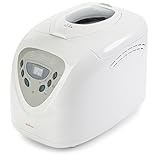
While yeast provides the biological lift, the Sunbeam 5891 Bread Maker provides the mechanical environment. It is a heated mixing chamber governed by the laws of Thermodynamics and Materials Science. However, user reviews over the past two decades point to specific mechanical weak points: leaking pans and stuck paddles.
This article explores the structural engineering of the bread machine. We will analyze the thermal implications of the large viewing window, the mechanics of the paddle-shaft interface, and the material fatigue that leads to pan leaks. This is a look at the machine’s skeleton.
The Physics of the Viewing Window: A Thermal Hole
The Sunbeam features a large glass viewing window. While convenient for the user (“sneak a peek”), it is a Thermal Weakness.
* Insulation Disparity: The metal walls of the baking chamber are insulated. The single-pane glass window is not. Glass has a higher thermal conductivity (~1 W/m\cdot K) than the insulated walls.
* Radiant Heat Loss: Heat radiates out through the glass. This creates a cool zone at the top of the loaf.
* The “Pale Top” Phenomenon: Users often notice the top of the bread is lighter than the sides. This is because the sides are in contact with the hot metal pan (Conduction) and near the heating element (Radiation), while the top loses heat to the window. The temperature at the top surface may struggle to reach the 300°F required for a robust Maillard Reaction (browning).

The Leaking Pan: Mechanical Seal Failure
A recurring complaint (User Galebm06) is the disintegration of the washer and spindle falling out. This is a classic failure mode of Rotary Shaft Seals.
* The Environment: The seal at the bottom of the pan must withstand:
1. High Heat: Baking temperatures of 350°F+.
2. Abrasion: Flour and sugar particles act as grit, grinding against the seal.
3. Chemical Attack: Acidic doughs and alkaline detergents (if washed in dishwasher).
* Material Fatigue: The rubber or silicone gasket eventually hardens and cracks due to thermal cycling. Once the seal fails, liquid leaks onto the heating element/motor coupler below, potentially ruining the machine. This highlights the importance of hand-washing the pan to prolong seal life, as dishwasher heat is aggressive.
The Stuck Paddle: Thermal Expansion and Adhesion
“The paddle won’t come out.” This is a friction problem exacerbated by heat.
* Thermal Expansion: The metal shaft and the metal paddle expand when hot. If they have different coefficients of thermal expansion, they can bind.
* The Glue Factor: Dough that gets between the shaft and paddle bakes into a hard, cement-like starch.
* Removal Mechanics: User Aunt DonDon suggests soaking with warm water. This works by Re-hydrating the starch cement, softening it so the paddle can slide off. It is a simple application of solvent chemistry to solve a mechanical jam.
Structural Integrity: 2lb Capacity vs. Motor Torque
The machine is rated for a 2lb loaf. Kneading a 2lb ball of whole wheat dough requires significant Torque.
* The Drive Belt: Inside the casing, a rubber belt connects the motor to the paddle shaft. Over time, kneading heavy loads stretches this belt, leading to slippage.
* Motor Strain: 600 Watts is the total power (Heater + Motor). The motor itself is likely only 50-100W. Pushing the capacity limit with dense doughs taxes the motor, leading to overheating and potentially shortened lifespan.
Conclusion: The Engineering of Longevity
The Sunbeam 5891 is a “Workhorse” because of its simplicity. However, its mechanical design has inherent lifespans. The seal will fail; the belt will stretch.
For the user, understanding these mechanical limits is key to longevity. Don’t overload it with dense doughs. Hand wash the pan to save the seal. And accept that the pale top crust is the price of being able to watch the magic happen through the window. It is a machine of trade-offs, balanced for value and utility.